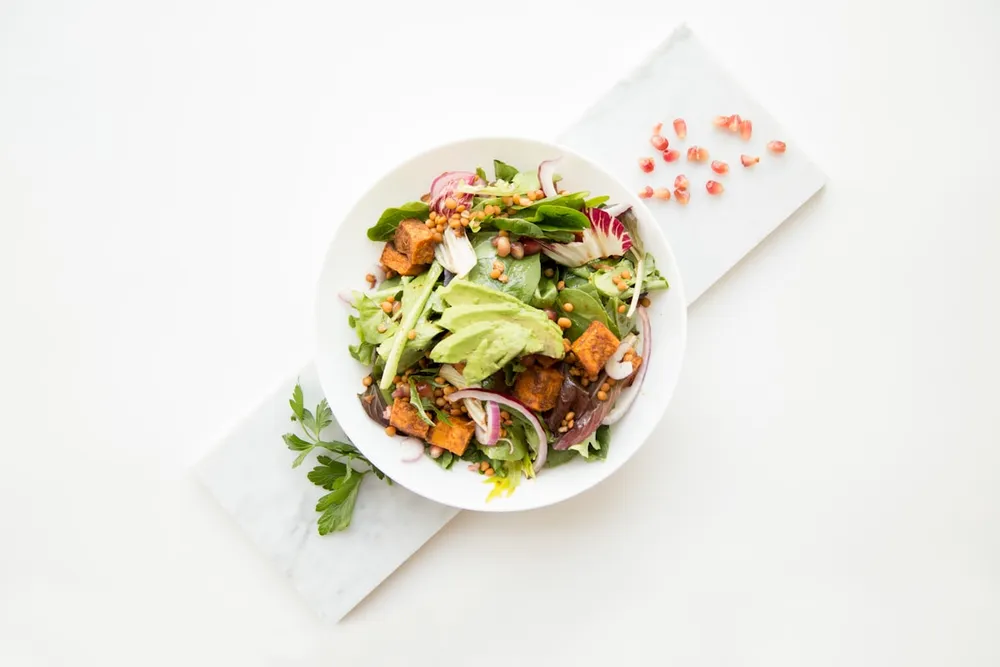
How to Build a Balanced Meal Without Counting Every Calorie
You do not need to calculate every calorie, weigh every ingredient or track every gram of food to build a balanced meal.
- A practical meal usually needs four basic parts:
- A useful source of protein
- A carbohydrate or starchy food
- Fruit, vegetables or another fiber-rich food
- A source of fat, sauce or flavor
You can use these parts as a flexible guide rather than a strict formula.
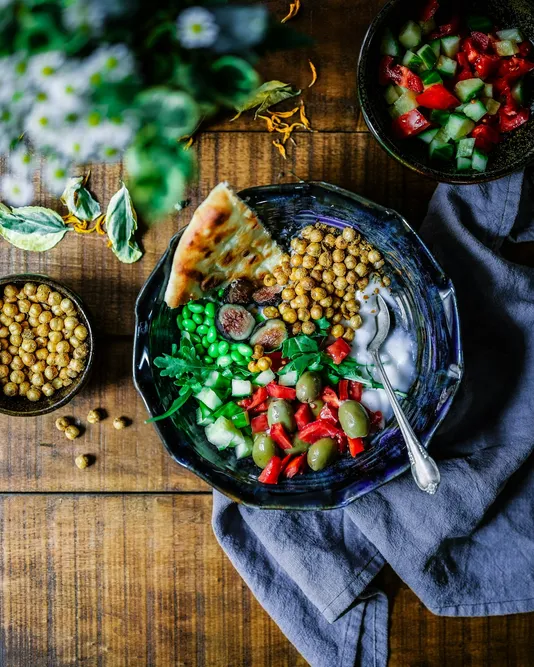
For many meals, a simple visual starting point is to fill about half the plate with vegetables and fruit, one quarter with a protein source, and one quarter with grains, potatoes or another carbohydrate. Add a moderate amount of fat or sauce according to the meal and your needs.
That approach resembles several established plate models. Harvard’s Healthy Eating Plate places vegetables and fruit on about half the plate, whole grains on one quarter, and healthy protein on the remaining quarter. The CDC uses a similar visual method for diabetes meal planning, although people managing diabetes may need individualized guidance about carbohydrate amounts. (The Nutrition Source)
I treat this plate as a starting point, not a picture that every meal must copy exactly. A bowl of curry, a sandwich, a plate of pasta and a traditional family meal may not separate neatly into quarters. You can still check whether the important components are present.
What does a balanced meal actually mean?
A balanced meal provides a useful mixture of energy, macronutrients, micronutrients and foods you enjoy.
In practical terms, it normally combines protein, carbohydrate and fat while including foods that contribute fiber, vitamins and minerals.
The World Health Organization describes adequacy, balance, moderation and diversity as four central principles of a healthy diet. It also recognizes that the exact form of a healthy diet varies according to age, activity, culture, local food availability and personal circumstances. (World Health Organization)
This means balance does not require everyone to eat identical foods.
A balanced meal in Pakistan may contain dal, roti, vegetables and yogurt. A balanced Japanese meal may contain fish, rice, vegetables and soup. A balanced Mediterranean-style meal might include beans, bread, salad and olive oil.
The foods can change while the basic functions remain similar.
A balanced meal should provide enough food to support you until the next planned eating occasion. It should also be enjoyable and realistic enough that you would willingly eat it again.
Balance does not require a perfect plate every time
One meal cannot determine the quality of your entire diet.
You might eat a breakfast with fruit but few vegetables, then eat more vegetables at lunch and dinner. A sandwich may contain less produce than your evening meal. A social meal may include more rich food than usual.
The NHS Eatwell Guide states that you do not need to achieve the recommended food-group balance at every meal. You can work toward it over a day or even a week. (nhs.uk)
I still find it helpful to check individual meals because each meal is an opportunity to include useful foods. However, I would not treat every plate as a test.
If lunch contains no vegetables, you have not ruined the day. You can include fruit with a snack or vegetables with dinner.
Balance should guide your decisions without making ordinary eating feel like a constant correction exercise.
Use the balanced plate as your starting point
The plate method gives you a visual guide without requiring calculations.
- A general starting arrangement is:
- Part of the meal
- Approximate visual space
- Examples
- Vegetables and fruit
- About half
- Salad, broccoli, carrots, peppers, spinach, tomatoes, berries or an orange
- Protein
- About one quarter
- Chicken, fish, eggs, beans, lentils, tofu, yogurt or lean meat
- Carbohydrate
- About one quarter
- Rice, bread, pasta, potatoes, oats, corn, couscous or another grain
- Fat and flavor
- Added according to the meal
- Olive oil, nuts, seeds, avocado, cheese, tahini, dressing or sauce
You do not need to draw lines on the plate.
Look at the general relationship between the foods. If nearly the entire plate contains pasta and only a spoonful of protein and vegetables, you might adjust the balance. You could add chicken, beans or lentils and serve more vegetables with it.
If the plate contains an enormous salad and a tiny portion of everything else, you may need more protein, carbohydrate, fat or total food.
The goal is not always to reduce portions. Sometimes a meal needs something added.
Start with a protein source
I usually find it easiest to choose the protein first because it gives the meal a clear center.
- Protein sources include:
- Fish and seafood
- Chicken or turkey
- Meat
- Eggs
- Beans and lentils
- Tofu and tempeh
- Yogurt
- Cottage cheese
- Milk
- Cheese
- Nuts and seeds
Some foods contribute protein while also belonging to another practical category. Beans provide protein and carbohydrate. Nuts provide protein and fat. Yogurt provides protein and may also contribute carbohydrate and fat.
You do not need to classify every food perfectly.
Ask whether the meal contains enough of a protein-rich food to play a meaningful role.
A few beans sprinkled over a large plate of rice may not provide the same substance as a generous serving of lentil curry. A thin slice of cheese may add flavor without becoming the meal’s main protein source.
What does a protein portion look like?
The appropriate amount depends on the food, your total needs, your appetite, your health and the rest of your diet.
Instead of using one fixed gram target, begin with a visually noticeable portion.
| For a plated meal, that might look like: | A piece of fish or chicken | Two or more eggs, depending on the meal and your needs |
|---|---|---|
| A substantial serving of beans or lentils | A clear portion of tofu | A bowl of yogurt |
| A mixture of protein foods | ||
You may need more when you have high energy needs, train intensely or are working toward a professionally recommended protein target.
You may need specific advice when you have kidney disease or another medical condition that affects protein recommendations.
Add a carbohydrate source
Carbohydrate foods provide energy and can make a meal more substantial and satisfying.
- Useful options include:
- Rice
- Bread
- Roti
- Pasta
- Potatoes
- Sweet potatoes
- Oats
- Corn
- Barley
- Couscous
- Quinoa
- Other grains
- Beans and lentils
- Fruit
- Dairy foods
Carbohydrate is not limited to bread, rice and sugar. Many nutritious foods contain it.
WHO guidance recommends that carbohydrate intake for most people come mainly from whole grains, vegetables, fruit and pulses. (World Health Organization)
This does not mean every grain must be whole grain or that white rice and white bread cannot belong in a balanced meal. The wider pattern matters.
You might use brown rice on some days and white rice on others. You might choose whole-grain bread for sandwiches but enjoy traditional white rice with a cultural dish.
Try to include higher-fiber sources regularly without turning one food choice into a moral judgment.
Do you need carbohydrate at every meal?
Not every meal must contain a separate starchy food.
A meal with beans, fruit, yogurt and vegetables may already provide a meaningful amount of carbohydrate. Someone following a medically supervised lower-carbohydrate plan may also use a different structure.
However, automatically removing rice, bread, potatoes or other carbohydrates can leave some meals less satisfying, particularly for active people.
If you feel hungry soon after eating a plate containing only lean protein and vegetables, the meal may need more energy. A carbohydrate portion, fat source or larger total amount may help.
Include fruit, vegetables or another fiber-rich food
Fruit and vegetables contribute fiber, vitamins, minerals, water and variety.
Harvard recommends filling about half the plate with vegetables and fruit while aiming for color and variety. The NHS Eatwell Guide similarly places a large emphasis on fruit and vegetables across the overall diet. (The Nutrition Source)
| At a main meal, you might include: | Cooked vegetables | Salad |
|---|---|---|
| Vegetable soup | Roasted vegetables | Stir-fried vegetables |
| Fruit | Beans or lentils | Vegetables mixed into the main dish |
Fresh produce is not the only useful option.
Frozen and canned vegetables can make balanced meals easier, particularly when fresh food is expensive, unavailable or likely to spoil before use. Choose products that suit your health needs, and check added salt, sugar or sauces when those are concerns.
Does half the plate have to be vegetables?
No.
The half-plate idea is a useful visual guide, particularly for lunch and dinner, but it is not practical for every meal.
You may not want half a breakfast plate covered with vegetables. Fruit may fit better with breakfast. A small bowl of soup may not provide enough space to show clear proportions.
You can also work toward the balance across the day.
For breakfast, you might combine oats, yogurt, fruit and nuts. At lunch, you could include a sandwich with vegetable soup. At dinner, you might serve a larger vegetable portion.
The overall pattern can still contain variety even when individual meals look different.
Add fat and flavor
Fat is part of a balanced diet and helps make food enjoyable.
- Sources include:
- Olive oil and other unsaturated oils
- Nuts
- Seeds
- Nut and seed butters
- Avocado
- Olives
- Cheese
- Full-fat or reduced-fat dairy
- Fish
- Sauces and dressings
Harvard’s Healthy Eating Plate recommends using healthy plant oils in moderation and does not treat all dietary fats as something that must be avoided. (The Nutrition Source)
The amount matters because fats provide concentrated energy. A little oil, dressing, cheese, peanut butter or tahini can change the meal substantially.
You do not need to fear these foods or remove them automatically. Add them deliberately.
A meal may need a source of fat for flavor and satisfaction. At other times, the cooking method or protein already provides enough.
For example:
Salmon may already contribute fat.
A curry may contain oil or coconut milk.
A sandwich may contain cheese, mayonnaise or avocado.
A salad may need a dressing.
Yogurt and nuts may complete a bowl of fruit and oats.
- Use the four-part check
- When a meal feels incomplete, I use four simple questions:
- Where is the protein?
- Where is the carbohydrate?
- Where is the fruit, vegetable or fiber-rich food?
- Where is the fat or satisfying flavor?
You may find that one food answers more than one question.
Consider a bean curry with rice and vegetables.
The beans provide protein, carbohydrate and fiber. Rice adds carbohydrate. Vegetables add volume and variety. The oil, yogurt or sauce adds fat and flavor.
You do not need a separate food for every category.
The four-part check is a prompt, not a requirement to build a plate containing four isolated piles.
How to balance breakfast
Breakfast often looks different from lunch or dinner, so the traditional plate image may feel less useful.
- Instead, combine three or four practical elements:
- A protein source
- A grain, bread or another carbohydrate
- Fruit or vegetables
- A fat source when needed
- Oatmeal breakfast
A bowl containing only oats and water provides carbohydrate and some fiber, but it may feel incomplete.
- You could add:
- Milk or yogurt for protein
- Fruit for flavor and additional nutrients
- Nuts, seeds or peanut butter for fat and texture
The result might be oats cooked with milk, topped with yogurt, berries and peanut butter.
Egg breakfast
Eggs provide protein and fat, but eggs alone may not provide enough total food for everyone.
- You could add:
- Toast, potatoes or roti
- Fruit or vegetables
- Avocado, cheese or a cooking fat when appropriate
A balanced option might be eggs with whole-grain toast, sautéed vegetables and fruit.
Yogurt breakfast
Yogurt can provide protein, but the amount varies by product.
- Build the meal with:
- A useful portion of yogurt
- Oats or cereal
- Fruit
- Nuts or seeds
Choose portions based on appetite and the time until your next meal.
Traditional breakfast
You do not need to replace cultural breakfast foods with oats or yogurt.
A meal such as paratha, eggs and yogurt can contain all major components. You might adjust the relative portions or add fruit and vegetables according to your needs.
The aim is to improve the meal you already enjoy, not replace it with a generic internet breakfast.
How to balance lunch
Lunch should provide enough food to support the afternoon.
A light-looking lunch is not automatically balanced if it leaves you hungry shortly afterward.
Sandwich lunch
A sandwich may already contain carbohydrate and some protein.
- To strengthen it, check:
- Is the filling substantial?
- Does it contain vegetables?
- Would fruit, soup or yogurt help complete the meal?
- Is there enough food for the length of time until dinner?
A balanced lunch could include a chicken, tuna, egg, cheese, tofu or bean sandwich with vegetables, followed by fruit or yogurt.
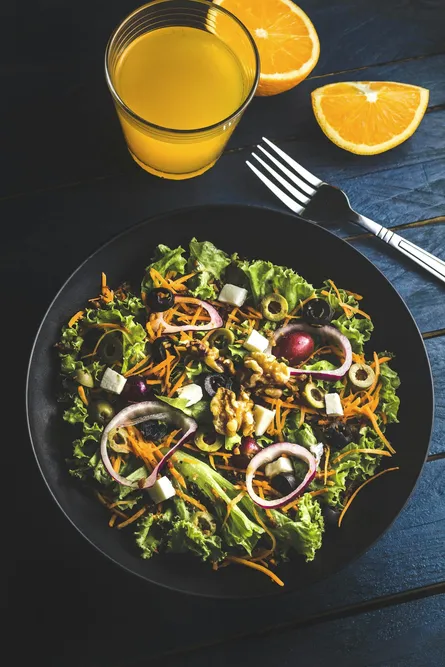
Salad lunch
A salad made mostly from lettuce and cucumber may not function as a complete meal.
- Add:
- Chicken, fish, eggs, beans, lentils, tofu or cheese
- Bread, rice, potatoes, grains or fruit
- Dressing, avocado, seeds or another fat source
A substantial salad may contain roasted vegetables, chickpeas, bread, feta and olive oil dressing.
Leftover lunch
Leftovers can be one of the easiest balanced lunches because the main structure already exists.
If the portion feels incomplete, add a side rather than preparing a new meal.
- You might add:
- Fruit
- Yogurt
- Bread
- Salad
- Soup
- Extra vegetables
- A boiled egg
- How to balance dinner
Dinner often contains the clearest plate structure.
Begin with the meal you want to make, then check what may be missing.
Chicken and rice
Chicken provides protein and rice provides carbohydrate.
- Add vegetables and a source of flavor, such as:
- Roasted vegetables and yogurt sauce
- Stir-fried vegetables and sesame oil
- Salad and avocado
- Vegetable curry on the side
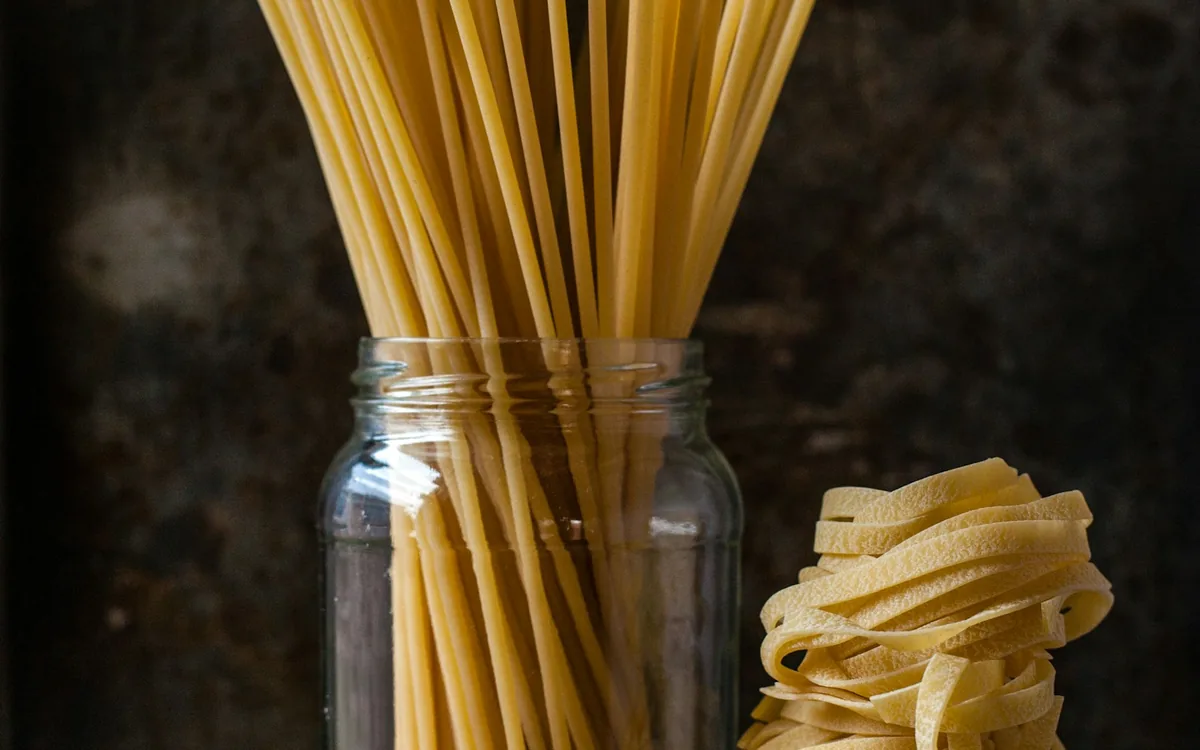
- Pasta
Pasta does not become unbalanced simply because it occupies more than one quarter of a bowl.
- You can improve the overall mixture by adding:
- Chicken, fish, beans, lentils or tofu
- Tomato, spinach, mushrooms, peppers or other vegetables
- Olive oil, cheese, pesto or another suitable sauce
You might also serve a smaller amount of pasta with a substantial side salad. Both approaches can work.
Curry
A curry may already contain protein, vegetables, carbohydrate and fat.
Check the ingredients before assuming it needs several separate sides.
A lentil and vegetable curry served with rice and yogurt may already form a complete meal.
A creamy chicken curry with little vegetable content might benefit from vegetables or salad on the side.
Soup
Soup can be a complete meal, but many soups need additional substance.
- A vegetable soup may need:
- Beans, lentils, chicken or another protein
- Bread, rice, noodles or potatoes
- Cheese, yogurt, oil or another fat source
A lentil soup with bread, salad and yogurt creates a different meal from a thin vegetable broth alone.
How to balance mixed dishes
Many meals do not arrive as separate foods on a plate.
- Mixed dishes include:
- Casseroles
- Curries
- Stews
- Pasta dishes
- Fried rice
- Biryani
- Tacos
- Pizza
- Sandwiches
- Soups
- Noodle dishes
Instead of trying to divide the finished dish visually, examine what went into it.
- Ask:
- What provides the protein?
- What provides the main carbohydrate?
- Are vegetables or fruit present?
- What provides fat and flavor?
- Is one component overwhelmingly dominant?
- Would a side help fill a meaningful gap?
- Biryani
Biryani normally provides rice, fat, flavor and potentially protein.
- Depending on the recipe, you might add:
- More chicken, meat, fish or another protein
- Raita
- Salad
- Cooked vegetables
- Fruit later in the day
You do not have to reduce a traditional meal to separate plain ingredients. You can keep the dish intact and consider the wider meal.
Pizza
Pizza usually provides carbohydrate, fat and some protein.
- You could make it more substantial or varied by adding:
- Vegetable toppings
- A side salad
- Soup
- Fruit
- An additional protein topping
You can also enjoy pizza without trying to turn every slice into a nutrition project. Think about the overall meal and your usual pattern.
Tacos
Tacos are naturally adjustable.
- Include:
- Meat, fish, beans, lentils, tofu or eggs
- Tortillas
- Lettuce, tomato, peppers, cabbage or salsa
- Cheese, avocado, sour cream or another sauce
The meal can contain every major component without appearing as a divided plate.
How to build a balanced vegetarian meal
Removing meat does not automatically create a balanced meal.
Vegetarian meals still need a meaningful protein source.
- Options include:
- Beans
- Lentils
- Chickpeas
- Tofu
- Tempeh
- Eggs
- Yogurt
- Cheese
- Fortified alternatives
- Nuts and seeds
A vegetarian pasta made only from pasta and tomato sauce may contain little protein. You could add lentils, beans, tofu, cheese or a suitable meat alternative.
| A balanced vegetarian meal might be: | Lentil curry, rice, vegetables and yogurt | Tofu stir-fry with noodles and vegetables |
|---|---|---|
| Bean tacos with salad, cheese and avocado | Egg and vegetable omelet with potatoes and fruit | Chickpea bowl with grains, vegetables and tahini |
People following fully vegan diets need particular attention to nutrients such as vitamin B12, and some individuals may benefit from professional guidance.
How to build a balanced meal on a budget
A balanced meal does not require expensive specialist foods.
- Affordable building blocks can include:
- Meal component
- Lower-cost options
- Protein
- Eggs, beans, lentils, canned fish, yogurt or chicken bought in larger packs
- Carbohydrate
- Rice, potatoes, oats, bread, pasta or seasonal grains
- Vegetables and fruit
- Frozen vegetables, canned vegetables, seasonal produce, bananas or local fruit
- Fat and flavor
- Cooking oil, peanut butter, seeds, yogurt sauce, herbs or spices
Beans and lentils are particularly useful because they provide protein, carbohydrate and fiber in the same food.
Frozen produce can reduce waste because you can use only the amount you need. Canned foods can also save time, although people managing sodium intake may need to compare labels or rinse certain products.
Start with foods your household already uses.
A low-cost meal such as lentils, rice, seasonal vegetables and yogurt can be more practical than a recipe containing several expensive ingredients that will not be used again.
How to build a balanced meal when you have little time
Convenience foods can help you build a complete meal quickly.
- Useful options include:
- Frozen vegetables
- Canned beans
- Canned fish
- Rotisserie chicken
- Prepared grains
- Bagged salad
- Precut vegetables
- Eggs
- Yogurt
- Whole-grain bread
- Soup
- Frozen meals
The presence of packaged food does not automatically make the meal unbalanced.
- You could combine:
- A frozen meal with vegetables and fruit
- Soup with a sandwich and yogurt
- Rotisserie chicken with bread and salad
- Canned beans with rice, salsa and avocado
- Eggs with toast and frozen vegetables
- Yogurt with oats, fruit and nuts
Check labels when sodium, added sugars or particular ingredients matter to you, but do not assume that cooking everything from the beginning is the only valid approach.
A meal you can actually prepare may be more useful than an ideal meal that exists only in your plans.
How to balance snacks
A snack does not need to look like a small dinner.
Most snacks work well when they combine two useful elements.
- Examples include:
- Fruit and yogurt
- Apple and peanut butter
- Crackers and cheese
- Vegetables and hummus
- Toast and eggs
- Nuts and fruit
- Yogurt and oats
- Bread and tuna
- Milk and fruit
The Academy of Nutrition and Dietetics recommends thinking about what you can add to meals and aiming for a combination of protein, carbohydrate, fat and fiber across most meals without relying on rigid rules. (Eat Right)
For a small snack, you may not need all four parts.
Choose the combination according to the snack’s purpose.
A piece of fruit may be enough when dinner is soon. A larger snack containing yogurt, oats and fruit may work better when you have several hours until your next meal.
Use your hands when a plate is not available
You can estimate portions visually when you are eating from a bowl, packed lunch or restaurant plate.
- A loose hand-based guide might use:
- A palm-sized portion for a main protein
- A cupped-hand portion for grains or another carbohydrate
- One or two fists of vegetables or fruit
- A thumb-sized amount for concentrated fats
Treat this only as an approximate starting point.
Hand sizes differ, foods differ and individual needs differ. A highly active person may require larger portions. Someone with a small appetite may need more energy-dense foods rather than large volumes.
The balanced plate is more important than forcing every meal into hand measurements.
Adjust the meal according to hunger
Visual guides can help you begin, but your appetite still provides useful information.
- After eating, consider:
- Did the meal feel satisfying?
- Did I become hungry again very quickly?
- Was the portion uncomfortable to finish?
- Did I keep searching for food afterward?
- Did I have enough energy for work or exercise?
- Did the meal fit the length of time until I could eat again?
If you regularly become hungry soon after a meal, check what was missing.
| A meal may need: | More total food | More protein |
|---|---|---|
| More carbohydrate | More fat | More fiber |
| A larger portion | A planned snack later | |
If a meal regularly feels too heavy, reduce one or more portions and observe the result.
Do not use the plate method to ignore clear hunger or fullness signals. Use it to create a starting structure, then adjust that structure.
Balanced does not mean low calorie
A balanced meal can provide a small, moderate or large number of calories.
The same plate structure can be adapted to different needs.
- A person requiring more energy could add:
- A larger grain or potato portion
- More protein
- Bread
- Avocado
- Nuts or seeds
- More cooking oil
- Yogurt
- Milk
- Fruit
- A dessert or additional side
A person who needs less energy could use smaller portions of calorie-dense ingredients while keeping protein and produce useful.
This is why the visual plate does not guarantee a particular calorie amount.
A meal containing half vegetables, one quarter protein and one quarter carbohydrate could still vary substantially depending on the plate size, cooking oil, sauces, ingredients and portion depth.
The method reduces the need to count. It does not make energy intake irrelevant.
Can the plate method support weight management?
The plate method can provide structure without detailed tracking, but it does not guarantee weight loss, maintenance or gain.
Body weight is influenced by overall energy intake and expenditure over time, along with health, medications, activity, sleep and other personal factors.
Someone could use a balanced plate and still consume more energy than needed through large portions, cooking fats, drinks, snacks or repeated servings.
Another person could create a visually balanced plate that is too small for their needs.
Use the method as a food-quality and meal-structure tool.
When body-weight change is a goal, monitor the broader pattern and outcome. You may need to adjust portions or seek individualized support without necessarily counting every calorie.
Do not forget drinks
Drinks may contribute energy, nutrients or both.
- Common choices include:
- Water
- Milk
- Fortified alternatives
- Tea
- Coffee
- Juice
- Soft drinks
- Smoothies
- Alcohol
Harvard’s Healthy Eating Plate recommends water as the main drink and advises limiting sugary beverages. (The Nutrition Source)
That does not mean every drink other than water is forbidden.
Milk may contribute protein and other nutrients. A smoothie can include fruit, yogurt and other foods, although drinking food may feel different from eating a solid meal. Tea or coffee may be part of your routine.
Include calorie-containing drinks in the overall meal when they are substantial.
Include food you genuinely enjoy
A technically balanced meal can still fail when it tastes boring or feels like something you are forcing yourself to eat.
Flavor matters.
- Use:
- Herbs
- Spices
- Sauces
- Dressings
- Cheese
- Pickles
- Chutneys
- Salsa
- Yogurt
- Lemon or lime
- Roasted ingredients
- Different textures
The Academy of Nutrition and Dietetics notes that a flexible approach can consider what to add rather than only what to remove, while still supporting nutrition needs. (Eat Right)
A meal can contain nutrition and pleasure at the same time.
You do not have to choose between a flavorless plate and an unbalanced meal. The sauce, bread, cheese or traditional preparation that makes the food enjoyable can remain part of the plan.
What about dessert?
Dessert does not cancel the nutritional value of the main meal.
You can include dessert as part of a balanced eating pattern without pretending that it must supply protein, vegetables and whole grains.
If you regularly enjoy dessert, allow it to exist openly rather than treating it as an accidental failure.
- You might eat:
- Fruit
- Yogurt
- Chocolate
- Cake
- Ice cream
- A traditional sweet
- Another preferred food
The portion and frequency can reflect your health needs, appetite and wider eating pattern.
Balance includes moderation, but moderation does not require complete avoidance.
- Common mistakes when building a balanced meal
- Making vegetables the entire meal
Vegetables are useful, but a bowl of vegetables with very little protein, carbohydrate or fat may not provide enough energy or satisfaction.
Add the missing parts.
Treating carbohydrates as optional extras
Rice, bread, pasta and potatoes can form part of a balanced meal.
Use portions that suit your needs rather than removing them automatically.
Adding only a token amount of protein
A few chickpeas, seeds or pieces of chicken may not provide the substance you expected.
Make the protein source visible and meaningful.
Forgetting cooking oils and sauces
Oils and sauces add flavor and can belong in the meal, but they still affect its energy content.
Use them deliberately rather than assuming they do not count.
Believing every meal must be perfect
Balance can develop over the day and week.
One unusual meal does not require punishment or compensation.
Building meals that are nutritious but unsatisfying
Food should taste good and provide enough energy.
Include preferred flavors, textures and foods.
Copying one plate size for everyone
A child’s meal, an active adult’s meal and an older person’s meal may require different portions.
Use the proportions as a flexible guide.
Ignoring medical needs
General plate guidance may need to be modified for diabetes, kidney disease, digestive disorders, allergies, pregnancy or other health circumstances.
Follow individualized professional advice when you have it.
A seven-meal balanced example
These examples show how different meals can follow the same broad principles.
| Meal | Protein | Carbohydrate |
|---|---|---|
| Produce or fiber-rich food | Fat or flavor | Oatmeal bowl |
| Yogurt and milk | Oats | Berries |
| Peanut butter | Egg breakfast | Eggs |
| Toast | Mushrooms and fruit | Avocado |
| Chicken bowl | Chicken | Rice |
| Peppers and broccoli | Yogurt sauce | Lentil curry |
| Lentils | Rice or roti | Vegetables |
| Oil and yogurt | Tuna sandwich meal | Tuna |
| Bread | Salad and fruit | Mayonnaise |
| Tofu stir-fry | Tofu | Noodles |
| Mixed vegetables | Sesame oil and sauce | Salmon dinner |
| Salmon | Potatoes | Green beans |
| Olive oil and lemon | ||
These are structures, not prescribed portions.
You can adjust each meal for appetite, dietary preferences, allergies, culture and budget.
A simple way to improve an unbalanced meal
You do not need to replace the whole meal.
Ask what you can add.
Toast with butter
Add eggs, yogurt or beans for protein and fruit for variety.
Plain pasta with sauce
Add chicken, lentils, beans, tuna or tofu and include vegetables.
Chicken salad
Add bread, potatoes, grains or fruit if the meal needs more carbohydrate and energy.
Rice with vegetables
Add eggs, fish, chicken, beans, lentils or tofu.
Yogurt and fruit
Add oats, cereal, nuts, seeds or toast if you need a larger meal.
Soup
Add beans, lentils, meat, bread, rice, potatoes, cheese or yogurt according to what the soup already contains.
Improvement usually comes from filling the largest gap, not redesigning everything.
When calorie counting may still be useful
Not counting every calorie does not mean calorie information has no value.
- Tracking may help some people:
- Learn their usual portions
- Plan for a specific energy target
- Support an athletic goal
- Follow professional guidance
- Understand why progress differs from expectations
- Compare meals or recipes
Other people find calorie counting tiring, distracting or harmful to their relationship with food.
You can also use a temporary middle approach.
For example, you might calculate several familiar meals once, then use those meals as templates without tracking them repeatedly.
You could also track only a recipe, restaurant meal or ingredient that is difficult to estimate.
The best method is the one that provides useful information without creating more problems than it solves.
Who may need personalized help?
A general balanced-meal guide is intended for adults without complex medical nutrition requirements.
- Speak with a qualified healthcare professional or registered dietitian when you:
- Have diabetes
- Have kidney, liver or digestive disease
- Are pregnant or breastfeeding
- Are under 18
- Have significant food allergies
- Have an eating disorder or history of disordered eating
- Need to gain or lose weight for medical reasons
- Take medication that affects food intake
- Have unexplained appetite or weight changes
- Follow a highly restrictive diet
- Train at a demanding athletic level
The CDC specifically advises people managing diabetes to work with their doctor or registered dietitian to determine suitable carbohydrate goals. (CDC)
A visual plate cannot replace an individualized medical plan.
Frequently asked questions
What are the components of a balanced meal?
A practical balanced meal normally includes protein, carbohydrate, fruit or vegetables, and a source of fat or flavor. Some foods contribute to more than one component.
Does every meal need protein?
Protein at most main meals can help you distribute protein-rich foods across the day, but every snack and small eating occasion does not need to follow the same structure.
Does half my plate have to be vegetables?
No. Half a plate of vegetables and fruit is a useful visual starting point for many main meals, not a rigid requirement for breakfast, soups, sandwiches or mixed dishes.
Can rice and bread be part of a balanced meal?
Yes. Rice, bread and other starchy foods can provide carbohydrate and energy. Include them in portions that suit your needs and choose higher-fiber options regularly when practical.
Is fruit enough instead of vegetables?
Fruit provides useful nutrients and fiber, but fruit and vegetables are not identical. Aim for variety across the day and week rather than relying exclusively on one type.
Can a sandwich be a balanced meal?
Yes. Use a substantial protein filling, include vegetables where practical, and add fruit, soup, yogurt or another side when the sandwich alone is not enough.
Can pasta be balanced?
Yes. Combine pasta with a meaningful protein source, vegetables and a suitable sauce or fat. The ingredients can be mixed into one dish.
Is a balanced meal always low in calories?
No. Calorie content depends on portion size, ingredients, oils, sauces and cooking methods. The same visual structure can produce meals with very different calorie amounts.
Can I lose weight without counting calories?
Some people can manage their overall intake using consistent meal structures, portion awareness and outcome monitoring. Others find some degree of tracking helpful. A balanced plate does not guarantee a calorie deficit.
What should I add if I am hungry soon after eating?
Review the total portion and check whether the meal contained enough protein, carbohydrate, fat and fiber. You may need a larger meal or a planned snack.
Do snacks need to be balanced?
Small snacks do not need every meal component. Pairing two useful foods, such as fruit and yogurt or crackers and cheese, can provide more substance than eating one small item alone.
Is the plate method suitable for children?
Children have different energy and nutrient needs, and their appetites can vary during growth. Parents should avoid placing children on adult calorie or portion plans and should seek professional advice when growth or eating is a concern.
Build a meal you can recognize and enjoy
You do not need a calculator to notice whether a meal contains protein, carbohydrate, produce and satisfying flavor.
Begin with the food you already want to eat. Check which important parts are present and which part may be missing.
Add vegetables to pasta. Add bread to soup. Add protein to a salad. Add fruit and yogurt to breakfast. Add enough sauce or fat to make the food enjoyable.
Use the plate method when it helps, but do not force every bowl, sandwich or traditional dish to look like a diagram.
A balanced meal is not the plate with the most perfect proportions. It is a meal that provides useful food, suits your needs and leaves you reasonably satisfied until the next time you plan to eat.