How to Meal Plan for a Family With Different Food Preferences
A family with different food preferences usually does not need several completely separate dinners.
The most practical approach is to prepare one shared meal with components that people can adjust. You might serve the same tortillas, rice, vegetables, chicken, beans, cheese, and sauces while allowing each person to decide which components appear on their plate.
This method works better than trying to find one perfect recipe that every family member loves equally.
| A realistic family meal plan should aim for: | One shared meal structure | At least one familiar component for each person |
|---|---|---|
| Optional toppings or sides | Adjustable spice and sauce | A limited number of personal substitutions |
| No pressure to eat every food offered | No automatic second dinner whenever someone declines the first | |
The goal is not complete agreement.
The goal is to create a meal that everyone can approach, customize, and eat according to their appetite and needs.
Start by separating preferences from requirements
Not every food difference belongs in the same category.
A preference may allow flexibility. A medical requirement may not.
Before building the weekly menu, divide household needs into four groups.
| Category | Examples | Planning response |
|---|---|---|
| Medical or safety requirement | Food allergy, celiac disease, prescribed diet, swallowing difficulty | Must be followed carefully |
| Ethical or religious requirement | Vegetarian diet, halal food, kosher food, religious fasting practice | Must be respected |
| Strong sensory or accepted-food need | Texture sensitivity, strong smell aversion, limited accepted foods | Plan familiar and adjustable options |
| Ordinary preference | Dislikes mushrooms, prefers mild sauce, likes rice more than pasta | Accommodate when practical |
This distinction matters.
Someone who dislikes cheese may simply leave it off a taco. A person with a milk allergy may need safe ingredients, label checks, separate preparation practices, and protection from allergen cross-contact.
Food allergies occur when the immune system reacts to proteins in food, and unintended exposure can happen through cross-contact. Families managing allergies should follow the affected person’s medical plan and applicable preparation guidance rather than treating the allergy as an ordinary preference.
Do not describe a serious allergy, celiac disease, or medically required diet as picky eating.
Make a family preference map
Before choosing recipes, create a simple picture of what each person generally accepts.
You do not need a record of every food anyone has ever eaten.
- Start with broad categories:
- Family member
- Accepted proteins
- Accepted carbohydrates
- Accepted produce
- Preferred flavors
- Difficult foods
- Adult 1
- Chicken, fish, beans
- Rice, bread, potatoes
- Most vegetables
- Spicy and savory
- Creamy sauces
- Adult 2
- Chicken, eggs, lentils
- Rice, pasta, bread
- Salad and cooked vegetables
- Mild flavors
- Very spicy food
- Child 1
- Eggs, chicken, yogurt
- Bread, rice, pasta
- Carrots, cucumber, apples
- Foods kept separate
- Mixed casseroles
- Child 2
- Beans, cheese, chicken
- Tortillas, potatoes
- Corn, berries, tomatoes
- Sauces on the side
- Mushrooms
Look for overlap.
In this example, everyone eats chicken and at least one common carbohydrate. Several family members accept rice, bread, and simple vegetables.
That overlap can become the base of the plan.
You do not need to satisfy every difficult-food issue in every meal. The preference map helps you choose meals with enough shared components to remain manageable.
Find the overlap instead of the perfect recipe
The best family meal is often not one completed dish.
It is a group of components that overlap with several people’s accepted foods.
- Suppose the household generally accepts:
- Chicken
- Beans
- Rice
- Tortillas
- Potatoes
- Bread
- Cucumbers
- Carrots
- Tomatoes
- Yogurt
- Cheese
- Mild seasonings
- Those foods could become:
- Chicken and rice bowls
- Tacos
- Wraps
- Baked potatoes
- Chicken sandwiches
- Bean and rice bowls
- Soup with bread
- A snack-style dinner
One person can add a spicy sauce. Another can keep the food plain. A vegetarian family member can choose beans while another person chooses chicken.
The shared ingredients reduce cooking and grocery work even when the plates are not identical.
| Use one base meal with several choices | Build the meal around four flexible parts: | A shared carbohydrate |
|---|---|---|
| One or two protein choices | Produce | Optional sauces, fats, and toppings |
| For example: | Taco dinner | Shared base |
| Tortillas | Chicken | Beans |
| Lettuce | Tomato | Cheese |
| Avocado | Yogurt or sour cream | Mild salsa |
| Hot sauce | ||
One person may eat chicken tacos with hot sauce.
Another may eat bean and cheese tacos.
A child may eat a tortilla, plain chicken, cucumber, and cheese separately.
Everyone is eating from the same set of groceries.
The meal does not need to look identical on every plate to count as a shared family meal.
Choose meals that separate naturally
Meals with visible components are easier to customize than meals where everything is mixed together.
- Useful family formats include:
- Tacos
- Wraps
- Rice bowls
- Grain bowls
- Baked potatoes
- Pasta with sauce served separately
- Sandwiches
- Burgers
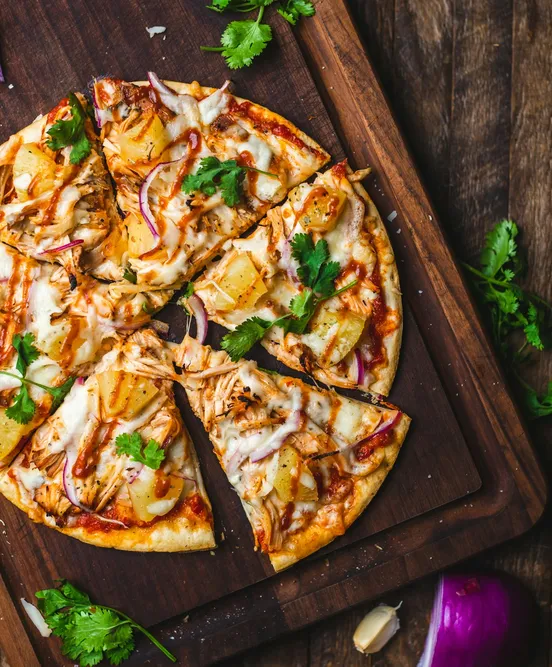
- Homemade pizza
- Soup with several sides
- Breakfast-style dinners
- Stir-fries with some ingredients kept separate
- Snack plates
- Kebabs with rice and vegetables
- Build-your-own salads
Recent meal-planning competitors increasingly recommend meals whose components remain separate until serving because they allow selective and adventurous eaters to share the same base.
The idea is useful, but you do not need to serve a buffet every night.
Use two or three adjustable meals each week and keep the remaining dinners simple and familiar.
Deconstruct mixed meals when necessary
Some family members may accept the ingredients in a recipe but dislike them after they are mixed.
- A child may eat:
- Plain pasta
- Tomato sauce
- Chicken
- Peas
but reject chicken and pea pasta covered in sauce.
Before combining everything, set aside a small amount of the accepted components.
- For example:
- Family pasta:
- Pasta mixed with chicken, vegetables, and tomato sauce
- Deconstructed plate:
- Plain pasta
- Chicken pieces
- Peas
- Sauce in a small separate bowl
You are not cooking a second dinner.
You are changing how the same ingredients are served.
- This can also work with:
- Curry and rice
- Stir-fry
- Salads
- Casseroles
- Sandwich fillings
- Tacos
- Soup ingredients
- Grain bowls
Set aside the portion before adding a sauce, strong spice, or mixed texture.
Keep sauces and strong flavors on the side
Flavor preferences often create more disagreement than the main ingredients.
One person may enjoy chili, garlic, herbs, or a rich sauce. Another may prefer plain food.
- Prepare a mild base when practical, then offer:
- Hot sauce
- Chili flakes
- Fresh herbs
- Lemon
- Yogurt sauce
- Salsa
- Cheese
- Pickles
- Chutney
- Mustard
- Pesto
- Dressing
- Soy sauce
- Spiced oil
For example, a mild chicken and vegetable dish can become spicy after serving for the people who want more heat.
Do not remove all flavor from the main meal when most people enjoy it. The aim is to identify which flavor can be adjusted without changing the whole dish.
Use the familiar food rule
When children are learning to accept a wider range of foods, include at least one familiar food at the meal.
| A familiar food might be: | Bread | Rice |
|---|---|---|
| Fruit | Yogurt | Potatoes |
| A familiar protein | A particular vegetable | Plain pasta |
| Tortillas | ||
The familiar option should be part of the family meal, not a reward provided only after the child rejects everything else.
The American Academy of Pediatrics recommends continuing to offer a balanced range of foods while including at least one food the child likes. It also supports a calm, low-pressure approach to selective eating.
Including a familiar food does not guarantee that a child will eat. It gives the child a reasonable point of entry into the meal.
Do not guarantee every person a favorite meal every night
A family meal plan cannot provide every person’s preferred dinner every day.
Instead, aim for fairness across the week.
- You might include:
- One meal selected by Adult 1
- One selected by Adult 2
- One selected by Child 1
- One selected by Child 2
- One dependable family favorite
- One leftover or flexible meal
- One simple meal or dinner away
This makes preference inclusion visible without requiring separate cooking.
A request system can be as simple as:
Each person chooses one dinner idea.
- The final meal must:
- Fit the budget
- Fit the schedule
- Be practical for the number of people
- Work with medical and dietary requirements
Not every request needs to appear every week.
Rotate requests when the household is large.
Create a family meal list
Starting from an empty page every week makes different preferences harder to manage.
Build a meal list divided into categories.
| Meals almost everyone accepts | Examples: | Chicken and rice |
|---|---|---|
| Pasta | Tacos | Soup and bread |
| Eggs and toast | Homemade pizza | Burgers and potatoes |
| Adjustable meals | Examples: | Bowls |
| Wraps | Baked potatoes | Sandwiches |
| Tacos | Salad bars | Pasta bars |
| Breakfast plates | Meals accepted by some family members | Examples: |
| Fish | Spicy curry | Vegetable soup |
| Lentil dishes | Casseroles | Strongly flavored foods |
| Low-effort meals | Examples: | Leftovers |
| Eggs | Soup | Sandwiches |
| Frozen meals | Rotisserie chicken with simple sides | Meals for trying something new |
Choose recipes that introduce one unfamiliar element rather than an entirely unfamiliar plate.
- For example:
- Familiar:
- Chicken, rice, cucumber, yogurt
- New:
- One different sauce offered separately
Save successful meals and reuse them.
A family meal rotation is more useful than searching for seven new recipes every week.
Use a simple weekly formula A practical family week might contain: Two dependable family meals Two customizable meals One meal that creates leftovers One flexible meal One new or less familiar meal For example:
| Day | Dinner type | Meal |
|---|---|---|
| Monday | Dependable | Chicken, rice, and vegetables |
| Tuesday | Customizable | Tacos |
| Wednesday | Leftovers | Chicken bowls or wraps |
The plan provides familiarity without eating the same food every night.
Use family-style serving when it suits the household
Family-style serving means placing food in shared dishes and allowing people to serve themselves with age-appropriate help.
- This can let family members:
- Choose accepted components
- Start with small amounts
- Take more when hungry
- Leave off unwanted toppings
- See other people eating different foods
- Participate in serving
The Academy of Nutrition and Dietetics recommends family-style meals as one strategy for reducing plate waste because children can select appropriate amounts rather than receiving an oversized predetermined serving.
Young children still need supervision and food prepared in an age-appropriate, safe form.
Start with small serving utensils and manageable portions. More food can be offered when wanted.
Let adults provide the structure
A helpful feeding structure separates the adult’s responsibilities from the child’s choices.
The Ellyn Satter Institute’s Division of Responsibility framework describes adults as responsible for what, when, and where food is offered. Children decide whether to eat and how much to eat from what is available.
- In practical terms:
- The adult decides
- What foods are served
- When meals and snacks happen
- Where the meal is eaten
- Which foods are purchased
- How the meal fits the household budget
- Whether medical and safety needs are met
- The child decides
- Whether to eat
- Which offered foods to place on the plate
- How much to eat
This structure does not mean allowing a child to demand an unrelated replacement dinner.
It also does not mean forcing a child to taste, clean the plate, or eat a prescribed number of bites.
Families can use this framework in a way that fits their circumstances and professional guidance.
Avoid turning dinner into a negotiation
Repeated negotiation can make family meals exhausting.
- Common negotiations include:
- “Three more bites and you can leave.”
- “Eat the vegetables and you can have dessert.”
- “I will make something else if you taste this.”
- “You liked this last week, so you must eat it now.”
- “You cannot be hungry because you refused dinner.”
- A calmer response is:
This is what we are having tonight.
You can choose from the foods on the table.
You do not have to eat every item.
This provides a boundary without pressure.
When the planned meal contains at least one familiar component, the family does not need to begin a second cooking session immediately.
Do not force tasting
Children may need repeated, low-pressure opportunities before becoming comfortable with a food.
- They may begin by:
- Looking at it
- Serving it
- Touching it
- Smelling it
- Licking it
- Taking a small taste
- Eating a portion
CDC and American Academy of Pediatrics guidance recommends repeated exposure without forcing or pressuring children to eat. Children may reject a food several times before becoming comfortable with it.
Do not promise that a child will accept a food after a particular number of attempts.
Every child and food is different.
The purpose of repeated exposure is familiarity, not a deadline.
Offer small amounts of unfamiliar food
A large serving of an unfamiliar food can feel overwhelming and may create waste.
- Begin with a small amount, such as:
- One piece
- One spoonful
- A small corner of the plate
- A small separate bowl
More can be offered when wanted.
You do not need to hide new foods inside accepted foods. A child cannot learn what the food looks, smells, and tastes like when it is always disguised.
You can combine foods naturally in recipes, but avoid deception that may reduce trust if the hidden ingredient is discovered.
Pair unfamiliar and familiar foods
Do not build the entire plate from foods a selective eater does not accept.
Pair one less familiar food with several dependable components.
- For example:
- New fish recipe
- Serve with:
- Familiar potatoes
- Accepted bread
- Cucumber
- Yogurt sauce
- New lentil curry
- Serve with:
- Familiar rice
- Bread
- Yogurt
- Fruit
- New vegetable
- Serve with:
- Familiar chicken
- Pasta
- A preferred sauce
The unfamiliar food can appear without becoming the only available choice.
Involve family members in planning
People are more likely to engage with a plan when they have some ownership.
- Family members can help:
- Choose one weekly meal
- Select a vegetable
- Pick between two options
- Write the grocery list
- Check the pantry
- Wash produce
- Mix a sauce
- Set the table
- Assemble toppings
- Pack leftovers
CDC and Academy guidance encourages involving children in choosing and preparing meals and snacks.
Keep the choices limited and concrete.
- Instead of asking:
- What should we eat this week?
- ask:
- Should Tuesday be tacos or rice bowls?
A limited choice gives the child a role without transferring the entire planning responsibility.
Use a meal-request rotation
In a larger household, giving everyone a choice every week may create too many meals.
Create a rotation.
- For example:
- Week
- Family member choosing one dinner
- Week 1
- Adult 1 and Child 1
- Week 2
- Adult 2 and Child 2
- Week 3
- Adult 1 and Child 2
- Week 4
- Adult 2 and Child 1
The rest of the plan comes from dependable household meals, available food, and the schedule.
This approach helps everyone feel considered without turning the plan into a collection of unrelated requests.
Keep a backup component, not a separate backup dinner
A backup component is a familiar food that can complete the offered meal.
- Examples include:
- Bread
- Rice
- Fruit
- Yogurt
- Eggs already prepared
- Cheese
- Tortillas
- A familiar vegetable
- Milk or an appropriate alternative
Suppose dinner is a new stew.
You might serve bread, rice, and cucumber alongside it.
A person who eats only a small amount of stew still has familiar foods available.
This is different from making a completely separate plate of nuggets, pasta, or another preferred meal every time the family meal is declined.
There may be situations where a separate safe meal is necessary, particularly with medical diets, significant sensory needs, or feeding disorders. Follow individualized professional guidance in those cases.
- Use separate proteins when dietary patterns differ
- Families may include:
- Meat eaters
- Vegetarians
- Vegans
- People who eat fish but not meat
- People with religious dietary requirements
You can often share the carbohydrate, vegetables, and sauce while changing the protein.
- For example:
- Shared curry meal
- Shared
- Curry sauce
- Rice
- Vegetables
- Yogurt or suitable alternative
- Bread
- Protein options
- Chicken
- Chickpeas
- Lentils
- Tofu
- Shared taco meal
- Shared
- Tortillas
- Vegetables
- Salsa
- Avocado
- Rice
- Protein options
- Meat
- Beans
- Lentils
- Tofu
Prepare the alternative protein simply. It does not need to become a second complicated recipe.
Where religious preparation rules apply, make sure the ingredients, storage, equipment, and preparation method meet the family’s requirements.
Handle spice differences with a mild base
A mild base is often easier than cooking two curries or sauces.
For example:
Cook the onion, tomato, protein, and main spices at a broadly accepted heat level.
Remove the mild portions.
Add chili or a strong finishing sauce to the remaining food.
Serve extra spice at the table.
- You can also use:
- Chili oil
- Hot sauce
- Fresh chili
- Chili flakes
- Spiced chutney
- Pepper sauce
Do not assume children always require flavorless food. Many children enjoy herbs, garlic, spices, and culturally familiar flavors.
Adjust the specific heat or intensity that creates disagreement.
Make mixed dishes easier to share
Casseroles, lasagna, biryani, fried rice, and other mixed dishes can be harder for selective eaters.
You have several options.
- Serve a familiar side
- Examples:
- Bread
- Fruit
- Yogurt
- Salad
- Plain rice
- A familiar vegetable
- Set aside components before mixing
Set aside plain rice, pasta, vegetables, or protein.
Use toppings for customization
Offer cheese, herbs, sauce, yogurt, or crunchy toppings separately.
Serve a small exploratory portion
Place a small serving of the mixed dish alongside accepted foods.
Choose mixed meals less frequently
The family does not need a highly mixed meal every night.
Alternate them with bowls, wraps, tacos, and other adjustable formats.
Do not label one family member as difficult
Labels such as picky, fussy, difficult, or bad eater can become part of a person’s identity.
- Use neutral descriptions instead:
- Prefers foods kept separate
- Is learning to accept vegetables
- Does not currently eat fish
- Is sensitive to certain textures
- Prefers mild flavors
- Has a limited number of accepted foods
The Ellyn Satter Institute encourages viewing children as cautious or adventurous learners rather than defining them by picky eating.
Discuss concerns privately when possible rather than announcing them in front of the child or other family members.
Respect adult preferences too
Different food preferences are not only a children’s issue.
One adult may dislike fish.
Another may follow a vegetarian diet.
One may enjoy spicy food.
Another may work late and prefer a lighter evening meal.
Adults can compromise across the week.
For example:
Fish is served when the person who dislikes it has a suitable shared alternative.
Vegetarian meals appear on two nights.
Strong spices remain optional.
Each adult selects one preferred dinner.
One evening allows separate leftovers from the same weekly plan.
Do not place the entire responsibility for accommodating preferences on one person.
Cooking, planning, grocery shopping, and cleanup should be shared when household circumstances allow.
Distinguish fairness from sameness
Fairness does not mean every person receives the same meal choice every night.
It means the plan considers everyone over time.
One person may not prefer Monday’s curry but accepts the rice, yogurt, and chicken.
Another may not prefer Tuesday’s fish but enjoys the potatoes and vegetables.
Wednesday may contain the first person’s favorite meal.
Thursday may include the second person’s request.
Look at the week instead of trying to create universal enthusiasm at every dinner.
Plan portions according to the people eating
Different preferences may also come with different energy needs.
A young child, teenager, active adult, and older adult may not need identical portions.
Prepare enough shared food, but allow each person to begin with an appropriate amount and request more.
CDC notes that children may eat different amounts from day to day. Appetite can vary with growth, activity, illness, and normal development.
Avoid comparing plates or demanding that one child eat the same amount as a sibling.
For adults with different calorie needs, adjust rice, bread, potatoes, protein, sauces, toppings, and personal snacks without changing the family menu.
Build a balanced shared meal
Different plates can still follow the same general structure.
| Check whether the offered meal contains: | A protein source | A carbohydrate or starchy food |
|---|---|---|
| Fruit, vegetables, or another fiber-rich food | A source of flavor and fat | For example: |
| Taco night | ||
Chicken and beans provide protein.
Tortillas and rice provide carbohydrate.
Lettuce, tomato, salsa, and avocado add produce.
Cheese, avocado, and sauces provide fat and flavor.
A child may choose chicken, tortilla, cheese, and cucumber.
An adult may choose beans, rice, vegetables, avocado, and spicy salsa.
The meal provides several ways to build a useful plate.
Do not judge the balance of one child’s diet from one dinner alone. Consider patterns across meals and days, while seeking professional advice when nutrient intake or growth is a concern.
Build the grocery list around shared components
A plan for different preferences can become expensive when every person receives unrelated products.
Organize the grocery list into three sections.
| Shared foods | These support most meals: | Rice |
|---|---|---|
| Bread | Tortillas | Pasta |
| Potatoes | Chicken | Beans |
| Eggs | Common vegetables | Fruit |
| Yogurt | Cheese | Mild sauces |
| Customization foods | These change individual plates: | Hot sauce |
| Avocado | Additional cheese | Vegetarian protein |
| Separate dressing | Herbs | Pickles |
| Chutney | Requirement-specific foods | |
These support allergies, medical needs, religious diets, or other non-negotiable requirements:
- Certified allergy-safe product
- Gluten-free bread
- Dairy-free alternative
- Halal-certified product
- Prescribed nutrition product
Choose customization products that appear in several meals.
One jar of salsa could support tacos, eggs, rice bowls, and sandwiches.
One yogurt sauce could support curry, wraps, vegetables, and snacks.
- Avoid buying a separate product for every preference
- A family with four people does not automatically need four types of:
- Bread
- Yogurt
- Cereal
- Cheese
- Crackers
- Sauces
- Snack food
- Protein
Use shared products wherever possible.
- Buy separate products when they serve a clear purpose, such as:
- Allergy safety
- Medical need
- Strong dietary requirement
- A product used regularly enough to finish
- A major preference that affects several meals
A specialty item that appears in one small serving may create more cost and waste than benefit.
Ask whether an available shared product or simple substitution already solves the problem.
Plan the full package
When one family member requires a separate product, plan how the package will be used.
Suppose one child uses dairy-free yogurt.
The package might support:
- Two breakfasts
- A snack
- A sauce
- A smoothie
- A gluten-free bread product might be:
- Used for sandwiches
- Served with soup
- Frozen in individual portions
Do not open a large specialty product for one meal without planning the remaining amount.
Use leftovers selectively
A family member may accept a meal once but not want it repeatedly.
Assign leftovers according to actual preferences.
- For example:
- Chicken curry:
- Adult 1 lunch
- Adult 2 lunch
- One freezer portion
- Children:
- Chicken becomes wraps rather than reheated curry
- You can save components separately:
- Plain chicken
- Rice
- Sauce
- Vegetables
This provides more options than storing all the food as one mixed meal.
| A seven-day family meal plan | Consider a household with: | Two adults |
|---|---|---|
| One child who prefers mild food and separated components | One child who avoids meat but eats beans, eggs, and dairy | Different vegetable preferences |
| Monday: Chicken and bean rice bowls | Shared foods | Rice |
| Chicken | Beans | Carrots |
| Cucumber | Yogurt sauce | Adjustments |
Vegetarian child chooses beans.
Mild eater receives foods separately.
Adults add spicy sauce.
| Tuesday: Pasta night | Shared foods | Pasta |
|---|---|---|
| Tomato sauce | Chicken or lentils | Spinach |
| Cheese | Adjustments | |
Plain pasta is set aside before adding sauce.
Lentils provide a vegetarian protein.
Spinach can remain separate for the child who currently avoids it.
| Wednesday: Leftover wraps | Shared foods | Tortillas |
|---|---|---|
| Monday’s chicken and beans | Lettuce | Cheese |
| Yogurt sauce | Adjustments | |
Each person builds a wrap or eats the ingredients separately.
| Thursday: Lentil curry | Shared foods | Lentil curry |
|---|---|---|
| Rice | Yogurt | Cucumber |
| Bread | Adjustments | |
Curry begins mild.
Adults add chili.
A small amount of curry is offered alongside familiar rice, yogurt, cucumber, and bread.
| Friday: Flexible meal | Options include: | Leftovers |
|---|---|---|
| Eggs and toast | Freezer meal | Takeaway |
| Soup and sandwiches | Saturday: Homemade pizza | Shared foods |
| Pizza bases | Tomato sauce | Cheese |
| Peppers | Mushrooms | Chicken |
| Olives | Adjustments | |
Each person selects toppings.
One pizza section remains plain.
A dairy-free or gluten-free base is used when medically required.
| Sunday: Soup and sandwich meal | Shared foods | Vegetable soup |
|---|---|---|
| Bread | Cheese | Eggs |
| Tuna | Fruit | Adjustments |
Each person selects a sandwich filling.
Soup can be served in a small amount for anyone learning to accept it.
This plan uses shared ingredients across several meals while allowing meaningful choices.
- Example grocery overlap
- The weekly plan reuses:
- Ingredient
- Meals
- Rice
- Bowls and curry
- Chicken
- Bowls, pasta, wraps, and pizza
- Beans or lentils
- Bowls, pasta, wraps, and curry
- Yogurt
- Sauce, curry side, breakfast, and snacks
- Tortillas or bread
- Wraps, curry side, flexible meals, and sandwiches
- Cheese
- Pasta, wraps, pizza, and sandwiches
- Carrots and cucumber
- Bowls, sides, snacks, and lunch boxes
- Tomato sauce
- Pasta and pizza
The family receives variety without buying completely different ingredients for every dinner.
Meal planning when one child accepts very few foods
When a child has a limited accepted-food list, begin with what is reliably eaten.
- Create a private list of:
- Accepted proteins
- Accepted carbohydrates
- Accepted fruits
- Accepted vegetables
- Accepted dairy or alternatives
- Accepted sauces
- Accepted textures
- Accepted brands or preparations
Then plan family meals that include at least one accepted option while providing calm exposure to other foods.
- For example:
- Accepted:
- Bread, chicken, cucumber, yogurt
- Family meal:
- Chicken curry, rice, cucumber, yogurt, and bread
The child can eat from the familiar items without receiving a completely unrelated dinner.
Do not make sudden changes to every accepted product at once.
A different brand, shape, temperature, or preparation may be experienced as a different food by a highly selective eater.
When separate meals may be necessary
One shared meal is a useful goal, not an absolute rule.
- Separate preparation may be appropriate when:
- A severe allergy creates cross-contact risk
- Celiac disease requires strict gluten avoidance
- A medical diet conflicts with the shared meal
- A feeding specialist has provided a structured plan
- A swallowing disorder requires modified textures
- A child has a very limited safe-food list
- Religious requirements cannot be met through the shared preparation
- An adult’s medical needs require precise food composition
In these situations, convenience comes after safety and adequate nutrition.
You may still share safe components, but do not force one-meal efficiency when it creates medical risk.
When selective eating may need professional support
Ordinary selective eating is common, particularly in young children.
However, seek advice from a pediatrician or another qualified professional when a child:
- Is not growing as expected
- Loses weight
- Shows signs of nutrient deficiency
- Depends heavily on supplements or specialized nutrition products
- Has an extremely narrow food range
- Gags, coughs, or chokes regularly while eating
- Appears to have pain during meals
- Has difficulty chewing or swallowing
- Avoids food because of fear of choking or vomiting
- Becomes highly distressed around food
- Cannot participate in ordinary social eating
- Suddenly becomes much more restrictive
Pediatric feeding disorders and avoidant restrictive food intake disorder can involve inadequate growth, nutritional deficiency, dependence on supplements, sensory sensitivity, fear of eating consequences, or serious interference with daily life. These situations require professional assessment rather than a general meal-planning strategy.
- Common family meal-planning mistakes
- Trying to find one meal everyone loves
Complete agreement is not required.
Choose meals with enough shared and adjustable components.
Cooking several full dinners
Begin with one base meal and use separate toppings, proteins, sides, or presentation.
Treating medical needs as preferences
Allergies, celiac disease, swallowing problems, and prescribed diets require careful accommodation.
Serving an entirely unfamiliar plate
Include at least one familiar component.
Making the familiar food a reward
Serve it as part of the meal rather than requiring bites of another food first.
Pressuring children to taste
Repeated, calm exposure is more appropriate than forcing, bribing, or demanding a clean plate.
Letting one person control the entire menu
Use a rotating request system and consider everyone over the week.
Offering unlimited choices at dinner
Provide several planned components instead of asking what each person wants after cooking begins.
Hiding every unfamiliar ingredient
Children need opportunities to recognize and explore foods openly.
Serving adult-sized portions to children
Begin with smaller amounts and offer more when wanted.
Using labels such as bad eater
Describe current preferences neutrally.
Buying separate groceries for every person
Maximize shared ingredients and keep personal products limited to meaningful needs.
Forgetting package sizes
Plan second uses for specialty and preference-specific foods.
Assuming children should eat the same amount daily
Appetite can vary. Look at wider patterns and growth rather than one meal.
Ignoring adult preferences
Adults also need fair representation and reasonable choices.
Making every meal customizable
Some nights can be simple family favorites. Customization should reduce work, not become another complicated task.
Frequently asked questions
How do I meal plan when everyone likes different food?
Start with the foods that overlap, such as rice, bread, chicken, beans, potatoes, eggs, fruit, or particular vegetables. Build meals from shared components and keep sauces, toppings, or proteins adjustable.
Should I cook separate meals for picky eaters?
Usually, begin with one family meal containing at least one familiar component. Serve foods separately when helpful. Separate meals may be necessary for medical diets, significant sensory needs, or feeding disorders.
What are the best customizable family meals?
Tacos, wraps, bowls, baked potatoes, homemade pizza, sandwiches, pasta bars, soup with sides, and breakfast-style dinners are easy to adjust.
Should every child get a preferred food at dinner?
Include at least one familiar food that the child can comfortably approach, but do not attempt to provide every favorite food at every meal.
What should I do when my child refuses dinner?
Remain calm and avoid pressure. The child can decide whether and how much to eat from the foods offered. Follow your normal meal and snack schedule rather than immediately beginning an unrelated second dinner.
How can I introduce new foods without wasting them?
Serve a very small amount beside familiar food. Continue offering it calmly on later occasions without forcing a taste.
How many times should I offer a new food?
There is no guaranteed number. Some children need many exposures. Focus on calm familiarity rather than reaching a target number.
How do I handle different spice preferences?
Cook a broadly accepted base, remove mild portions when necessary, and add chili, hot sauce, or stronger seasoning after serving.
How do I feed vegetarians and meat eaters together?
Share the grain, vegetables, sauce, and toppings. Prepare one simple meat protein and one vegetarian option such as beans, lentils, eggs, tofu, or another suitable food.
Can I let children choose the weekly meals?
Let children choose between limited practical options or select one dinner. Adults should still manage nutrition needs, safety, cost, schedule, and grocery quantities.
Is family-style serving helpful?
It can allow family members to choose foods and begin with appropriate amounts. Young children need supervision and age-appropriate food preparation.
Should children clean their plates?
Pressuring children to finish a predetermined portion can interfere with their ability to respond to hunger and fullness. Offer appropriate food and allow the child to decide how much to eat.
What if one child eats only plain food?
Set aside a small amount before adding sauce or strong seasoning. Continue offering other family foods calmly in small portions.
How do I stop making multiple dinners?
Choose component-based meals, include one familiar food, keep one simple backup component, and decide before the meal what choices will be available.
Are food allergies the same as food preferences?
No. Food allergies can cause serious immune reactions and require label checks, medical guidance, and protection against unintended exposure.
When should I worry about selective eating?
Seek professional advice when restriction affects growth, nutrition, hydration, swallowing, social participation, or emotional well-being, or when meals involve regular choking, gagging, pain, or severe distress.
Plan one meal with several ways to eat it
A family with different preferences does not need a menu that makes everyone equally enthusiastic about every dinner.
It needs a shared structure that gives everyone a reasonable way to participate.
Begin with the foods that overlap. Choose meals with separate components. Keep strong sauces and toppings optional. Include at least one familiar food, and serve unfamiliar foods in small amounts without pressure.
Give family members a voice in the weekly plan, but keep the choices manageable. Rotate requests instead of cooking everyone’s favorite meal at once.
Most importantly, separate ordinary preferences from medical and safety needs.
One person may choose beans instead of chicken. Another may leave off the sauce. A child may eat rice, cucumber, and yogurt while learning about curry. Those plates can all come from the same family meal.
The most successful family plan is not one in which every person eats an identical plate.
It is one in which the household shares food, cooking, and time without requiring one person to operate several separate kitchens.